Breaking news on renewable energy sector: key trends
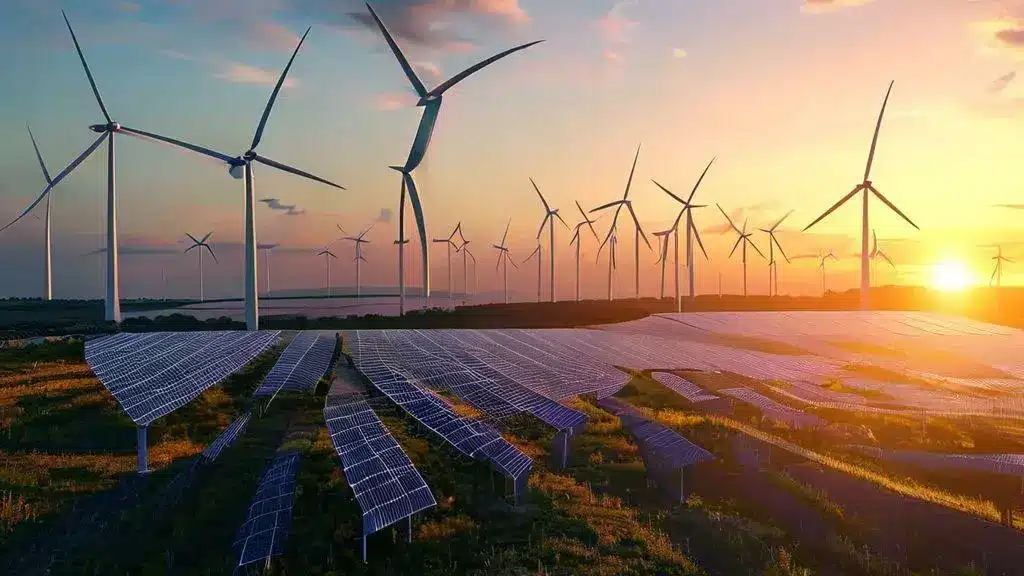
The renewable energy sector faces challenges like energy intermittency and storage needs while offering opportunities for job creation and technological advancements, driving a shift towards a cleaner and more sustainable energy future.
Breaking news on renewable energy sector highlights transformative shifts shaping how we produce and consume energy. With innovations emerging daily, have you wondered what this means for our future?
Emerging technologies in renewable energy
Emerging technologies in renewable energy are changing the landscape of how we generate and use power. From solar panels to wind turbines, these innovations are driving the energy sector into a new era. Let’s explore some of these exciting advancements.
Solar Energy Innovations
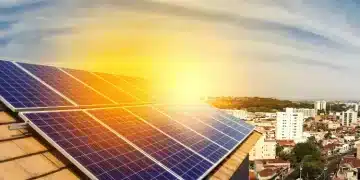
Recent breakthroughs in solar technology have made systems more efficient and accessible. For instance, solar panels are becoming thinner and lighter, allowing for easier installation in various environments. Moreover, advancements in photovoltaic materials increase energy conversion rates, making solar power an even more attractive option.
Wind Energy Developments
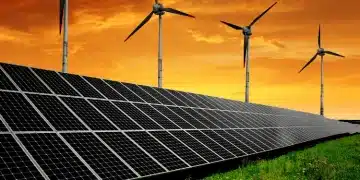
Wind energy has also seen significant technological progress. Modern turbines are designed to operate more efficiently at lower wind speeds. Some key advancements include:
- Improved blade design for increased aerodynamic efficiency.
- Use of artificial intelligence for optimizing energy output.
- Vertical-axis turbines that can generate power with minimal disruption.
These innovations ensure that wind energy remains competitive and sustainable. As the demand for clean energy grows, it is essential for the industry to adapt and evolve.
Moreover, the rise of energy storage solutions is crucial for maximizing the potential of renewable sources. Battery technologies, including lithium-ion and other emerging types, enable energy to be stored for later use. This capability helps address the intermittent nature of resources like solar and wind.
Continued investment in research and development will pave the way for even more disruptive technologies. Whether it’s harnessing tidal power or developing advanced biofuels, each innovation brings us closer to a sustainable future.
Ultimately, the integration of these emerging technologies will revolutionize the renewable energy sector, creating a more reliable and sustainable energy system for generations to come.
Government policies influencing the sector
Government policies have a significant impact on the renewable energy sector. These policies can either encourage growth or present challenges. Understanding their role is crucial for stakeholders in the industry.
Incentives for Renewable Energy
One of the primary ways governments influence the sector is through incentives. Tax credits, grants, and subsidies make it easier for businesses and individuals to invest in renewable technologies. For example, the Investment Tax Credit (ITC) in the U.S. allows for substantial savings on solar power systems.
Regulation and Standards
Another important aspect is regulation. Governments set standards for energy production, ensuring that systems are efficient and environmentally friendly. This influences the types of technologies that gain traction in the market. Some key regulations include:
- Renewable Portfolio Standards (RPS), requiring utilities to obtain a certain percentage of energy from renewable sources.
- Carbon pricing strategies, which aim to reduce greenhouse gas emissions.
- Power purchase agreements (PPAs) that guarantee long-term energy sales contracts, providing stability for investors.
These regulations guide the investments and innovations within the renewable energy landscape. However, inconsistencies in policy can create uncertainty for developers and investors.
A consistent national energy policy can encourage long-term investments and help businesses plan for the future. Goals like achieving net-zero emissions create a roadmap for energy strategies that promote sustainability.
Additionally, international agreements and collaborations also impact domestic policies. Countries often work together to establish global standards and share technologies, which can enhance the growth of the renewable energy sector across borders.
Global investment trends in renewables
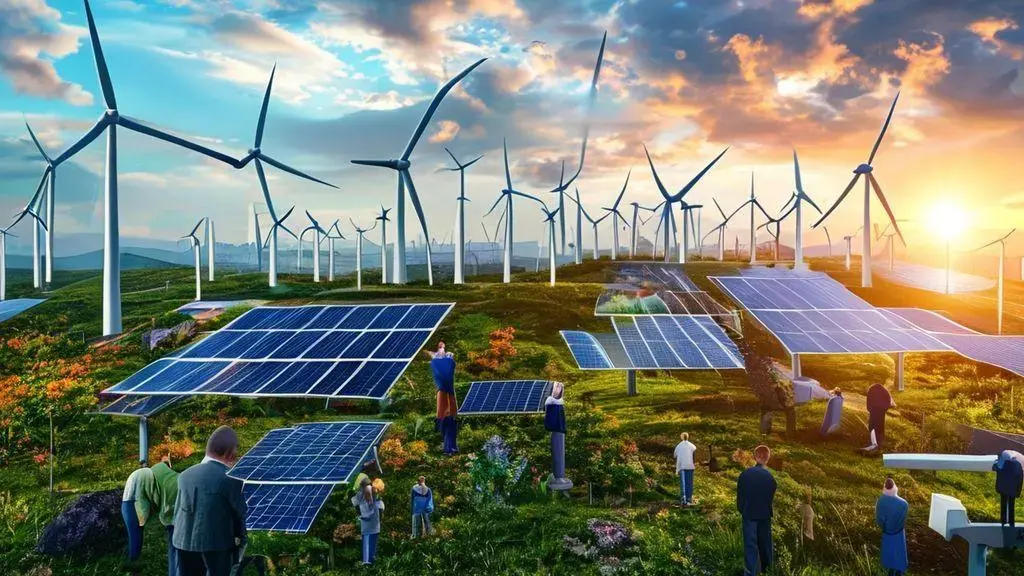
Global investment trends in renewables highlight how financial flows are reshaping the energy landscape. As nations shift towards cleaner energy sources, understanding these trends is essential for investors and policy makers.
Increasing Funding Levels
Investment in renewable energy has seen a dramatic rise over the past decade. More funds are flowing into projects like solar, wind, and hydroelectric power. This increase signifies a growing recognition of the importance of transitioning to sustainable energy solutions.
Regional Investment Insights
Different regions show varying levels of commitment and investment in renewable energy. For instance, the European Union leads in funding with aggressive targets for reducing carbon emissions. Key points to consider include:
- The European Green Deal aims for net-zero emissions by 2050.
- The United States is experiencing a rebound in investments due to favorable government policies.
- Asias emerging markets are rapidly expanding their renewable capacity, particularly in solar energy.
Current trends suggest that investments continue to favor technologies that offer the best return on investment. Moreover, financial institutions are increasingly willing to finance renewable projects, reflecting confidence in the stability and profitability of sustainable energy.
However, the competition for funding can be fierce. Understanding what drives investment decisions is critical. Factors such as technological advancement, resource availability, and political stability can shape investment outcomes significantly.
As we look to the future, the influx of private capital into renewable energy is expected to increase, with many companies setting ambitious sustainability targets. These trends suggest a long-term commitment to transitioning away from fossil fuels towards a greener, more sustainable energy economy.
Impact of renewables on the job market
The impact of renewables on the job market is significant and growing. As countries shift towards cleaner energy sources, new opportunities arise in various sectors.
Job Creation in Renewable Energy
Investments in renewable energy lead to job creation in many areas. For example, the solar and wind industries have generated millions of jobs worldwide. These jobs often focus on:
- Manufacturing of components like solar panels and wind turbines.
- Installation and maintenance of renewable energy systems.
- Research and development for new technologies and methods.
As the demand for clean energy increases, the job market is expected to expand, providing positions not only in technical roles but also in project management and logistics.
Effects on Traditional Energy Jobs
While the growth of the renewable sector creates jobs, it also impacts traditional energy jobs. Some workers in fossil fuel industries may find their roles shrinking as the demand for coal and oil decreases. However, many programs are in place to help transition these workers into the renewable energy workforce.
Training programs and apprenticeships in renewable technologies help workers acquire the necessary skills. The transition may lead to a more skilled workforce that is equipped to meet the needs of a changing energy landscape.
Additionally, regions that embrace renewable energy often see economic revitalization. Local communities benefit from new jobs, increased investment, and a focus on sustainable practices that create long-term stability.
The job market in the renewable energy sector holds promise for the future, as more businesses and governments recognize the importance of sustainability. This shift not only helps the environment but also opens doors for economic growth.
Future challenges and opportunities in renewables
The future of renewables presents both challenges and opportunities as the world transitions to sustainable energy sources. As technologies advance, the landscape becomes more dynamic, offering various paths forward.
Challenges in the Renewable Sector
One significant challenge is the intermittency of renewable energy sources like solar and wind. These sources depend on weather conditions and time of day, which can affect energy reliability. As demand for energy grows, finding ways to ensure a consistent power supply will be critical.
Technological Advancements
Another challenge is the need for improved storage solutions. Energy storage technologies, like batteries, play a key role in managing energy supply. Some key advancements focus on:
- Enhancing battery efficiency and lifespan to store energy longer.
- Developing new materials for faster and more effective energy capture.
- Investing in grid technology to better distribute energy where it is needed.
These innovations can help overcome hurdles in supply and ensure that clean energy is accessible when consumers need it.
Opportunities for Growth
On the other hand, the shift towards renewable energy creates numerous opportunities. As global awareness of climate change increases, many regions are committing to cleaner energy goals. This commitment can lead to:
- Job creation in the renewable energy sector as more projects are developed.
- Investment in green technologies that drive innovation.
- Strengthening of international agreements that support sustainability.
Moreover, energy efficiency initiatives can help reduce overall consumption, allowing for a smoother transition to renewable sources. As businesses and consumers adopt these practices, the demand for renewable technologies is likely to continue rising.
In summary, while the renewable energy sector faces challenges, the potential for growth and innovation makes it an exciting field to watch. Finding ways to tackle obstacles will pave the way for a more sustainable energy future.
FAQ – Frequently Asked Questions about Renewable Energy
What are the main challenges facing renewable energy?
The main challenges include energy intermittency, the need for better storage solutions, and transitioning workers from traditional energy roles.
How does renewable energy impact job creation?
Renewable energy sectors are creating millions of jobs in manufacturing, installation, and maintenance, aiding in economic growth.
What technological advancements are being made in renewables?
Innovations focus on improving energy storage, enhancing solar panel efficiency, and developing smart grid technologies.
Why is global commitment to renewables important?
A strong global commitment helps ensure consistent advancements, investments, and policies that support a cleaner, more sustainable energy future.