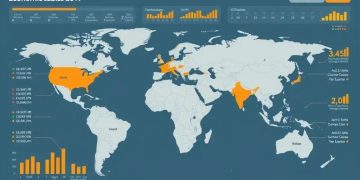
Latest news on economic and social issues: What to know

The latest news on economic and social issues highlights significant trends such as technological advancements, shifts in workforce demographics, and the impact of government policies on community dynamics.
Latest news on economic and social issues keeps us informed about the world around us. Have you ever wondered how these trends might affect your daily life? Let’s dive into what’s shaping our economy and society today.
Current trends affecting the economy
Today, we see current trends affecting the economy that are crucial for understanding our financial landscape. From the rise of remote work to shifting consumer preferences, each trend plays a significant role.
Remote Work and the Economy
The shift to remote work has changed the economic environment significantly. Companies are adjusting how they operate, which affects local businesses. Workers benefit from this flexibility, often leading to better work-life balance.
Consumer Preferences
Consumer behavior is evolving, with more people favoring online shopping over traditional retail. This change can be linked to convenience and the growing importance of sustainability. As a result, businesses are adapting their strategies to meet these new demands.
- The rise of e-commerce has shifted market dynamics.
- Brands that embrace sustainability gain consumer trust.
- Local businesses are finding new ways to compete.
- Social media influences buying decisions.
Additionally, technology continues to play a critical role in economic trends. Innovations in artificial intelligence and automation are reshaping industries. With AI, businesses can analyze data more efficiently, leading to more informed decisions.
The impact of government policies, such as changes in interest rates and stimulus packages, is also significant. These policies can either boost or hinder economic growth, influencing job creation and spending.
Moreover, the growing focus on mental health and employee well-being is becoming vital in the workplace. Companies are investing in programs that support their employees, recognizing the link between happiness and productivity.
Social issues reshaping communities
Social issues reshaping communities are becoming increasingly prominent as we navigate today’s ever-changing world. These issues influence how we interact with one another and can lead to significant changes in community dynamics.
Challenges of Inequality
Inequality remains a critical social issue. Economic disparities create barriers that limit opportunities for many. Communities are finding ways to address these challenges by fostering inclusivity and support.
Community Engagement
In response to social issues, community engagement has risen. Individuals are coming together to support local initiatives, from food banks to educational programs. This collective action helps unite various groups, strengthening ties and enhancing community resilience.
- The role of local leaders in advocating for change.
- Volunteer efforts that address economic and social gaps.
- Inclusive programs that welcome diverse voices.
- Community forums that promote dialogue and understanding.
Furthermore, mental health awareness is gaining attention as a social issue. Communities are recognizing the importance of mental well-being, leading to the creation of support networks and outreach programs. These initiatives aim to provide resources for those struggling with mental health challenges.
Additionally, the shift towards sustainability is reshaping community values. Environmental issues have prompted many to adopt eco-friendly practices. Community clean-up events and local sustainability projects are now common as residents work together for a healthier planet.
Social justice movements have also sparked significant conversations within communities. Advocacy for equal rights and representation influences policies and practices, leading to more equitable community structures.
The role of technology in economic changes

The role of technology in economic changes has never been more critical. Innovations are driving industries forward, transforming how we work, communicate, and consume goods and services.
Advancements in Automation
Automation has significantly impacted various sectors. From manufacturing to customer service, technology is replacing repetitive tasks. This shift allows employees to focus on more complex activities, enhancing productivity.
Data-Driven Decisions
Moreover, data analytics is revolutionizing how companies operate. Businesses can now leverage data to understand consumer behavior better. By analyzing trends, companies can make informed decisions that lead to growth.
- Enhanced marketing strategies based on consumer data.
- Improved supply chain management through predictive analytics.
- Targeted product development based on market needs.
- Efficient resource allocation driven by data insights.
Another crucial aspect of technology is the rise of e-commerce. Online shopping platforms have changed the retail landscape. Consumers now expect convenience and speed, which pushes businesses to adapt quickly to stay competitive.
Additionally, the gig economy is a direct result of technological advancements. Platforms connecting freelancers with clients are flourishing, creating new job opportunities and flexibility for workers. This phenomenon reshapes employment patterns, giving people control over their work lives.
Furthermore, communication technologies, such as video conferencing and instant messaging, are fostering collaboration across distances. Teams can work together seamlessly, regardless of their geographical locations, which enhances innovation and efficiency.
Impact of government policies on social structures
The impact of government policies on social structures is profound and far-reaching. These policies shape our lives by influencing education, healthcare, and economic opportunities.
Influence on Education
Government policies heavily affect educational systems. For instance, funding decisions can determine the quality of schools in a community. When education is prioritized, communities see improved literacy rates and greater opportunities for youth.
Healthcare Access
Another area greatly influenced by policy is healthcare. Programs that provide affordable healthcare services contribute to overall community well-being. Accessible healthcare improves quality of life and can reduce poverty levels.
- Policies that support mental health resources.
- Increased funding for public health initiatives.
- Insurance reforms for greater coverage.
- Support programs for low-income families.
Furthermore, economic policies also play a crucial role in shaping social structures. Minimum wage laws and social welfare programs provide support to those in need. These measures help reduce economic inequalities and create a more equitable society.
In addition to direct effects, policies regarding housing and urban development influence community dynamics. Initiatives that promote affordable housing contribute to stable neighborhoods and diverse populations. This fosters collaboration and shared experiences among residents.
Public safety policies also shape social structures. Trust in law enforcement and community programs can improve social cohesion. When people feel safe, they are more likely to engage with their community and contribute to its development.
Future predictions for economic and social landscapes
The future predictions for economic and social landscapes are shaped by current trends and emerging innovations. As we look ahead, several key factors will influence how our world evolves.
Technological Advancements
First, technology will continue to play a pivotal role. Innovations such as artificial intelligence and automation are expected to transform jobs and industries. As these technologies evolve, they will create new opportunities and challenges in the economy.
Shifts in Workforce Demographics
Another factor is the changing workforce demographics. As younger generations enter the job market, their values will shape corporate cultures. Greater emphasis on work-life balance and diversity will redefine workplace environments.
- Increasing demand for remote job opportunities.
- Focus on sustainability and corporate social responsibility.
- Growth in the gig economy and freelance work.
- Rise of skill-based hiring practices.
Moreover, social issues will influence future economic landscapes. As communities advocate for equity and inclusion, policies may shift to address these concerns. This could lead to enhanced social programs and support systems aimed at bridging gaps.
Additionally, environmental challenges will also affect economic strategies. Climate change pressures will require businesses and governments to invest in sustainable practices. This will drive innovation in green technologies and renewable resources.
Finally, globalization will continue to impact social structures and economic policies. As trade expands, communities will need to adapt to increasing cultural diversity. This can foster greater collaboration and understanding among different groups.
FAQ – Frequently Asked Questions on Economic and Social Issues
What economic trends should I be aware of?
Be aware of technological advancements, labor market changes, and the rise of the gig economy as these will significantly impact job opportunities.
How can I engage with social issues in my community?
You can participate in local initiatives, volunteer for community service, and support organizations that advocate for social justice and equity.
What role does government policy play in shaping our society?
Government policy can influence education funding, healthcare access, and economic equality, thus significantly shaping the social structure of communities.
Why is sustainability important for future development?
Sustainability is crucial for protecting the environment and ensuring resources for future generations, while also fostering economic growth through green initiatives.