Public assistance programs for households: a guide to benefits
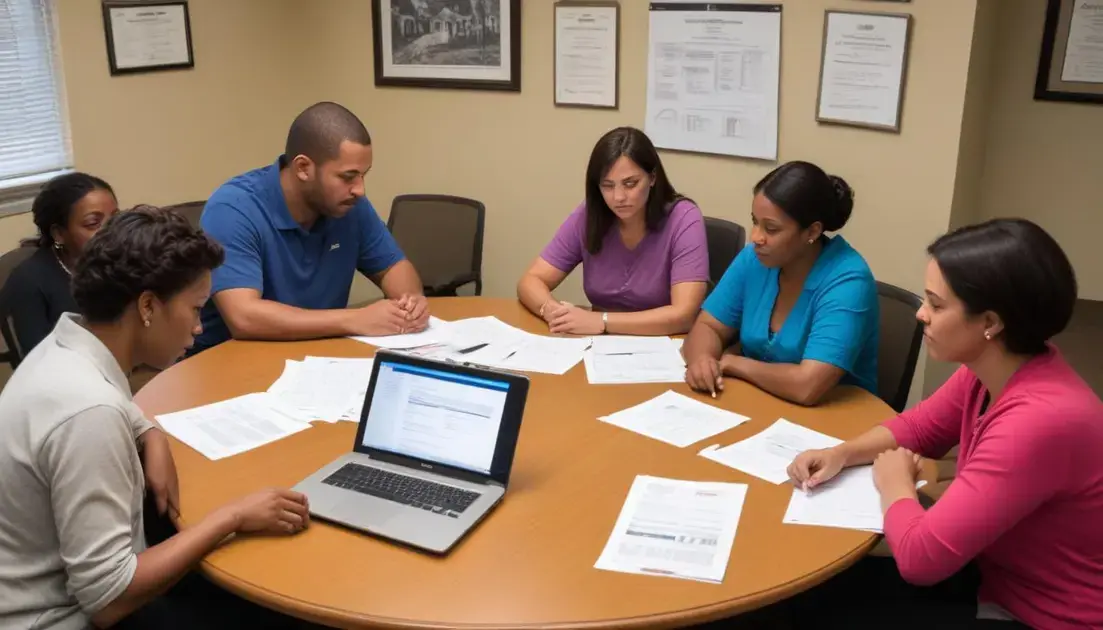
Public assistance programs for households provide essential support such as food, healthcare, housing, and childcare, helping families navigate financial difficulties and improve their quality of life.
Public assistance programs for households play a crucial role in helping families navigate tough financial times. Do you know what resources are available to you? Join us as we explore the various options that could ease your burden.
Understanding public assistance programs
Understanding public assistance programs is essential for families facing financial challenges. These programs provide vital support to help households meet their basic needs. With various options available, it’s important to know what’s out there and how you can benefit from it.
Types of public assistance programs
There are several types of public assistance programs that cater to different needs. Some of the most common include:
- Food assistance: Programs like SNAP help families access nutritious food.
- Healthcare assistance: Medicaid provides essential medical coverage for low-income households.
- Housing assistance: Programs such as Section 8 offer rental assistance to eligible families.
- Cash assistance: Temporary Assistance for Needy Families (TANF) supports families with financial aid.
Each program serves a unique purpose, so it’s helpful to research which ones fit your situation best. Many of these programs are funded by government agencies, ensuring that they can reach as many families as possible.
Eligibility criteria
Understanding the eligibility criteria for public assistance programs can make a significant difference. Different programs have varying requirements, but some common factors include:
- Income level: Most programs target low-income families.
- Family size: Larger households may qualify for greater benefits.
- Citizenship status: Many programs require applicants to be U.S. citizens or legal residents.
Gathering the right information is crucial when applying. Each program will typically need personal information to verify your eligibility. Be prepared to have documents like income statements and family size details on hand.
In many cases, local agencies and non-profit organizations can assist you in navigating these programs. They often provide workshops and resources that explain how to apply and can help answer any questions you might have.
Eligibility criteria for assistance programs
Knowing the eligibility criteria for assistance programs can help many families access the support they need. Each program has its own requirements, so it’s important to understand these before applying.
Common eligibility factors
Generally, eligibility is determined by a few common factors:
- Income level: Assistance programs typically cater to low-income families; this is often the most significant factor.
- Family size: Larger households may qualify for larger benefits, so the number of people living in your home can influence eligibility.
- Citizenship status: Most programs require you to be a U.S. citizen or a legal resident to qualify.
- Employment status: Some programs evaluate whether applicants are currently employed, underemployed, or unemployed.
These factors are crucial to understand when seeking aid. Often, families with limited financial resources are the target audience for such programs, ensuring they have the means to live healthily and safely.
Documentation needed
When applying for public assistance programs, having the necessary documentation is essential. Here’s what you typically need:
- Proof of income: Pay stubs or tax returns can show your financial situation.
- Identification: A government-issued ID helps confirm your identity.
- Social Security numbers for all household members: This is often required.
Being prepared with these documents can streamline the application process. Many agencies also provide resources to help families gather the necessary information.
Don’t hesitate to reach out for help if you’re unsure about your eligibility. Local organizations or agencies can offer guidance and clarify any doubts. They often have staff who can walk you through the criteria and requirements.
Types of assistance available

There are various types of assistance available to families in need, each designed to help with specific challenges. Understanding these options can make a big difference in getting the support you need.
Food Assistance Programs
Programs like the Supplemental Nutrition Assistance Program (SNAP) help low-income families buy groceries. This type of assistance allows families to access healthier food options, which is essential for maintaining health and wellbeing.
Healthcare Assistance
Healthcare is another critical area where assistance is available. Medicaid provides free or low-cost health coverage, making medical care accessible for eligible families. It covers essential services including doctor visits, hospital stays, and preventative care.
Housing Assistance
Housing is a major concern for many households. Programs like Section 8 offer rental assistance, helping families afford a stable place to live. This support can prevent homelessness and allow families to maintain a healthy living environment.
Cash Assistance Programs
Temporary Assistance for Needy Families (TANF) provides cash aid to improve the quality of life for families in need. This assistance can be used for various expenses, helping families meet their basic needs.
Childcare Assistance
Childcare assistance programs are also available to support working parents. These programs help cover the costs of childcare, enabling parents to work or attend school without worrying about their children’s care.
Each program serves a unique purpose, and it is important to research which types might suit your family’s needs best. Understanding what is available can empower families to seek the assistance they need and improve their quality of life.
How to apply for benefits
Knowing how to apply for benefits is crucial for families wanting to access assistance programs. The application process can seem overwhelming, but understanding the steps can help simplify it.
Step-by-step application process
The first step is to determine which programs you are eligible for. Research the various types of assistance available, such as food, healthcare, or housing support. Each program has specific guidelines, so make sure to check the requirements.
Gather necessary documents
Before you begin the application, it’s essential to gather the necessary documentation. This typically includes:
- Proof of income: Pay stubs or tax returns can demonstrate your financial situation.
- Identification: A government-issued ID is usually required.
- Social Security numbers for all household members.
- Proof of residency, such as a utility bill or lease agreement.
Having these documents ready can speed up the application process and make it smoother.
Ways to apply
You can apply for benefits in several ways. Many programs offer online applications, which allow you to submit your information quickly. Alternatively, you can apply in-person at local offices or by phone. Online applications are often the fastest. When applying, be sure to fill out all sections accurately and completely to avoid delays.
Follow up
After submitting your application, it’s important to follow up. Keep track of your application status and reach out to the agency if you haven’t received a response within the expected timeframe. Staying informed can help ensure that you don’t miss out on crucial benefits.
If you have questions during the process, don’t hesitate to ask for help. Local organizations and community centers often provide assistance in understanding how to apply and can guide you through the complexities.
Navigating the application process
Navigating the application process for public assistance programs can seem daunting, but breaking it down into steps can help make it easier. Each program has its own specific requirements, so it’s important to follow the guidelines closely.
Understanding the steps
First, familiarize yourself with the application process. Start by visiting the website of the program you are interested in. It will provide detailed information about how to apply. Most programs have a clear set of instructions that you should follow.
Preparing your application
Before you submit your application, make sure to prepare all necessary documents. This often includes:
- A valid government-issued photo ID.
- Proof of income, like recent pay stubs or tax returns.
- Social Security numbers for all family members.
- Any additional forms or documents required by the specific program.
Collecting these items in advance can save time and help avoid delays.
Submitting the application
Once you have everything ready, you can submit your application. Depending on the program, you may have the option to apply online, by mail, or in person. Be sure to double-check that all information is accurate before submitting.
Tracking your application
After submission, it’s a good idea to track your application status. Many programs offer online portals where you can check the status of your application. If you haven’t heard back within the expected timeframe, don’t hesitate to call or email the program for updates. Staying proactive can help ensure a smoother process.
If you encounter challenges, community organizations often have resources to assist you. They can help with navigating the application and can provide support to ensure you understand all steps needed.
In conclusion, accessing public assistance programs can significantly help families in need. By understanding the types of assistance, eligibility requirements, and the application process, you can empower yourself and your family to obtain essential support. Don’t hesitate to reach out for help during the application journey, as many community resources are available to guide you. Remember, you are not alone in this process, and there are people and programs ready to assist you!
FAQ – Frequently Asked Questions about Public Assistance Programs
What types of assistance programs are available?
There are various types of assistance programs, including food assistance, healthcare coverage, housing support, cash aid, and childcare assistance.
How do I know if I am eligible for assistance?
Eligibility typically depends on factors such as income level, family size, citizenship status, and sometimes employment status. It’s important to check the specific requirements for each program.
What documents do I need to apply for benefits?
Common documents required include proof of income, identification, Social Security numbers for all household members, and documentation of residency.
How long does the application process take?
The application process duration varies by program, but many agencies aim to process applications within 30 days. It’s advisable to follow up if you don’t receive updates.