Social benefit programs for underserved communities: apply

social benefit programs for underserved communities provide targeted cash, food, healthcare and housing assistance to eligible low-income residents, accessed via local agencies, nonprofits or schools; applicants should verify eligibility, gather ID and income proofs, seek language support, and track application confirmations.
social benefit programs for underserved communities can connect people to cash, food and services many miss. Curious where to start and what documents matter? This short guide shares practical steps and real tips you can try today.
Identifying local social benefit programs and eligibility criteria
social benefit programs for underserved communities often operate through local offices, nonprofits, schools and clinics. This section explains where to look and which rules usually matter.
Knowing basic eligibility and the right documents speeds up applications and reduces frustration.
Where to look in your neighborhood
Start with nearby places people already use. Community centers, public libraries, and local health clinics often post program flyers or offer sign-up help. State and city social services websites list official program offices and phone lines.
Common eligibility rules to check
Rules can vary but many programs share similar tests: income limits, residency, family size, age or disability status. Some use asset limits or work requirements. Ask staff which rule applies to your case.
- Verify income thresholds and how income is calculated.
- Confirm residency requirements and acceptable proofs.
- Ask about categorical eligibility (students, veterans, seniors).
- Check application deadlines or limited enrollment windows.
Gather basic documents early: photo ID, proof of address, recent pay stubs, benefit notices, and IDs for household members. Originals may be required for some offices. If you lack a document, ask which alternatives are accepted.
Language and access barriers are common. Many offices offer interpreters or community navigators who help complete forms. Libraries and local nonprofits sometimes provide computers and printing at no cost.
When in doubt, call the program office and write down the name of the person you speak with and the date. This makes follow-ups easier and helps if deadlines are tight.
Use online portals when available but keep paper copies of submissions and confirmation numbers. Photo-document every form you submit and note any received receipts.
social benefit programs for underserved communities become easier to access when you know where to look, which eligibility rules apply, and which documents to prepare. Small steps—calling a local partner, confirming a deadline, or asking for an interpreter—can make a big difference.

Step-by-step application checklist and required documents
Social benefit programs for underserved communities usually ask for specific papers and clear steps. This simple checklist helps you prepare each item before you apply.
Work in small steps: collect, copy, and confirm. That reduces delays and stress.
Essential documents to gather
Most offices accept a short set of proofs. Gather these first so you can complete any form quickly.
- Photo ID for adults (driver’s license, state ID, or passport).
- Proof of residency (lease, utility bill, or official mail).
- Income records (pay stubs, benefit letters, or tax returns).
- Household IDs (Social Security numbers or birth certificates for dependents).
If you lack one item, ask about alternatives. Many programs accept affidavits, letters from shelters, or notary statements. Keep both originals and copies. Scan or photograph every page for backups.
Step-by-step application checklist
Follow these steps in order to avoid missed requirements and speed up approval.
- Confirm program eligibility and note deadlines or open enrollment periods.
- Complete the application form online or by paper, filling every required field.
- Attach or upload all requested documents and double-check for signatures.
- Submit the form, note confirmation numbers, and plan follow-up calls or visits.
When filling forms, write clearly and use consistent names and addresses. If an item does not apply, mark it as N/A rather than leaving it blank. If you upload files, use common formats like PDF or JPG and check file size limits.
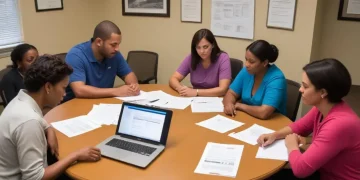
Seek help from community navigators, school counselors, or caseworkers if terms or steps are unclear. They can review your packet and suggest missing items before you submit. Libraries and nonprofit centers often offer free printing and scanning.
Bring originals to in-person interviews and carry a folder with copies. Keep a log of calls: names, dates, and what was discussed. This record helps if you need to appeal or resend documents.
social benefit programs for underserved communities become more reachable when you follow a clear checklist: gather essential documents, complete each step carefully, and track confirmations. Small actions make the process faster and give you more control.
Overcoming common barriers: language, access and trust
social benefit programs for underserved communities can be hard to use when language, access and trust get in the way. This section shows clear, practical fixes you can try in your area.
Small changes—interpreters, simpler forms, and local helpers—often bring big results.
Language support and plain communication
Offer interpretation and translated materials. Use simple words and short sentences on forms and flyers.
Train staff to speak slowly and check understanding. Use icons and step-by-step visuals when possible to help people who read at different levels.
Make services easier to reach
Bring services to neighborhoods with mobile units or pop-up events at schools and churches. Offer flexible hours and remote options for people who work odd shifts.
- Set up mobile clinics or application vans for neighborhoods with low transit access.
- Provide transportation vouchers or partner with ride services for appointments.
- Create low-bandwidth online portals and phone-based application options.
- Offer drop-in help at libraries and community centers with computers and printers.
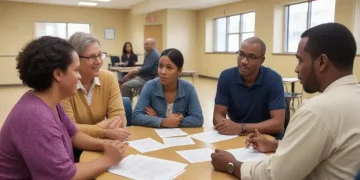
Use local partners and community leaders to spread the word. People trust familiar faces and places. Peer navigators from the same community can explain steps and share real examples.
Protect privacy and explain how data is used. Clear rules about who sees information build confidence. Show people what documents you need and why, and how their data stays safe.
Train staff in cultural humility and active listening. A calm, respectful tone and patience reduce fear. Follow up with friendly reminders and offer multiple ways to ask questions.
social benefit programs for underserved communities work better when services meet people where they are: language access, physical reach, and trusted helpers lower barriers and improve results.
Partner organizations, outreach strategies and measuring impact
Social benefit programs for underserved communities grow stronger when local groups work together. This section shows how partners, outreach and simple measurement help more people get help.
Clear roles, friendly outreach and basic tracking make programs more reliable and easier to improve.
Building partnerships with local organizations
Start by mapping trusted groups in the area: schools, faith centers, food banks and clinics. These partners know community needs and can share resources.
Create short agreements that define tasks, like who does intake, who offers space, and who shares data. Keep roles simple and written down so everyone knows what to expect.
Outreach strategies that reach people
Mix online and in-person strategies. Use community events, door-to-door visits, social media, and local radio to spread the word. Test what works and repeat it.
- Host pop-up clinics at schools or markets to meet people where they are.
- Train peer navigators from the community to explain programs in plain language.
- Use flyers with clear steps and offer help completing forms on site.
- Offer flexible hours and remote sign-up options for people with work or childcare limits.
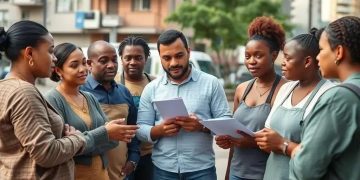
Use trusted messengers. A short chat with a neighbor or a note from a local leader often works better than a formal announcement. Keep messages short, show clear benefits, and include the next step.
Measuring impact with simple tools
Focus on a few easy metrics: number of people served, documents processed, wait time, and follow-up contacts. Track these monthly and share results with partners.
Collect feedback with one-question surveys or quick phone check-ins. Ask what helped and what made the process hard. Use answers to fix small problems fast.
- Use shared spreadsheets or a basic database to log enrollments and outcomes.
- Set short review meetings with partners to update numbers and solve issues.
- Share success stories (with consent) to build trust and attract funds.
Keep data privacy in mind. Only collect what you need and explain how information is used. Simple consent forms and clear staff training protect people and build trust.
By linking strong partnerships, tested outreach and light measurement, social benefit programs for underserved communities can reach more people and improve over time. Start small, track a few key figures, and adjust based on what the community says.
social benefit programs for underserved communities work best when you take simple steps: find local resources, gather key documents, remove language and access barriers, and partner with trusted groups. Start with a clear checklist, ask for help when needed, and track a few basic numbers to make steady improvements.
FAQ – social benefit programs for underserved communities
How can I find local social benefit programs?
Check your city or county website, call 2-1-1 or local helplines, visit libraries, clinics and community centers, and ask nonprofits or schools for referrals.
What documents are commonly required to apply?
Bring a photo ID, proof of residency, recent income records, and household IDs. If you lack an item, ask about accepted alternatives and make copies.
I don’t speak English well. Where can I get language help?
Request interpreters or translated forms from program offices, seek help from community navigators, or use libraries and local nonprofits that offer language support.
How do I track my application and follow up?
Save confirmation numbers and copies of submissions, write down staff names and dates of calls, and follow up by phone or in person if deadlines approach.